Shindy Font Review: Sweet Handwritten Type for Crafters
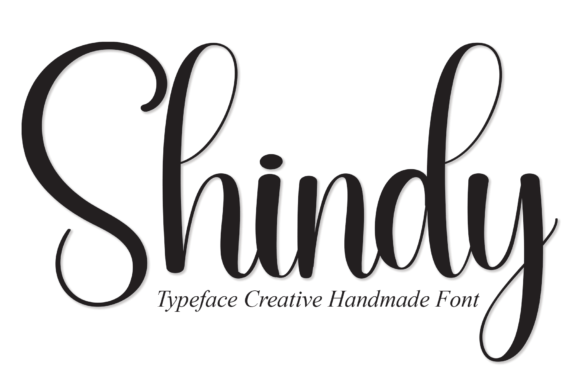
I was sitting at my desk, staring at a half-finished candle label design that just felt too stiff. The wax was warm and artisanal, but the typography on the mockup looked like it belonged on a chemical supply bottle. I needed something softer, something with personality but still legible enough for ingredient lists and branding. That’s when I pulled up Shindy, a sweet and friendly handwritten font. Fresh and neat, this font is ideal for writing wedding invitations, cards, or any other design that might need a fun touch. After spending an afternoon testing it on various product mockups, from boutique tags to digital printables, I realized this typeface could be the missing link between professional polish and handmade charm.
Shindy for Wedding Invitations and Elegant Branding
When you first open the folder of Shindy fonts, the visual personality jumps out immediately. It isn’t just another generic brush script; it has a distinct rhythm that feels curated and intentional. For stationery designers and invitation creators, this Script Handwritten style strikes a rare balance. It is elegant enough for formal events but casual enough to feel approachable. I tested Shindy on a series of wedding invitation mockups, pairing the main title with a clean sans serif font for the details. The contrast was stunning. The handwritten nature of Shindy added emotional appeal and warmth, making the invitation feel personal rather than mass-produced.
This font excels in editorial design contexts where brand identity needs to communicate trust and creativity. Because Shindy maintains a fresh and neat structure, it avoids the messy ink splatters or overly erratic baselines found in more decorative scripts. This makes it perfect for high-end boutique branding. Whether you are designing a logo for a small business or creating a header for a social media graphic, Shindy provides that "handmade" aesthetic without sacrificing readability. It works beautifully for names, titles, and short phrases, allowing your customers to instantly recognize the human touch behind the brand.
Shindy for Product Labels and Packaging Design
As a maker who sells physical goods, I know that packaging is often the first interaction a customer has with your product. I took Shindy into the production phase by applying it to labels for soy candles and soap bars. The font’s moderate weight ensures that it prints clearly even on smaller surfaces, which is crucial for product labels where space is limited. However, I did find that for longer text, such as detailed ingredient lists or care instructions, Shindy should be used sparingly or paired with a highly legible body font.
The best use case for Shindy in packaging is for the primary branding element—the name of the scent, the flavor of the tea, or the type of soap. Its friendly demeanor enhances perceived quality, suggesting that the product inside is crafted with care. When I arranged these labels alongside rustic kraft paper backgrounds, the white negative space within the letters of Shindy popped beautifully. It also translates well to die-cut stickers and hang tags. If you are using cutting machines like Cricut or Silhouette, the vector paths in Shindy are clean and precise, reducing the risk of tearing delicate vinyl cuts. Just remember to check the kerning and spacing, especially when placing text on curved surfaces like mugs or tote bags, to ensure the flow remains natural.
Shindy for Digital Downloads and Printable Art
In the world of digital products, visual hierarchy is everything. I tested Shindy on a set of printable wall art templates and planner pages. The font’s cheerful vibe adds a pop of color and energy to otherwise blank spaces. For digital downloads, having a versatile creative font like Shindy allows creators to offer varied styles within the same design system. You can use the regular weight for main headings and perhaps explore any included alternates or swashes for accent words, adding a layer of customization that buyers love.
For Etsy sellers and online shop owners, Shindy is an excellent asset for listing images. A well-designed mockup featuring this font can stop the scroll. I created a preview image for a set of greeting cards using Shindy, and the immediate association with friendship and celebration made the product stand out. It is particularly effective for seasonal products, such as holiday tags or birthday party decorations, where the mood needs to shift quickly from everyday to festive. When designing these assets, ensure you are checking the file formats provided with the font. Most premium fonts include OTF and TTF files, which are compatible with most design software, but verifying multilingual support is wise if you plan to target international audiences.
Font Pairing and Readability Tips for Makers
To get the most out of Shindy, understanding its limitations is just as important as knowing its strengths. While it is a beautiful display font, it is not designed for dense paragraphs of text. Using Shindy for long blocks of copy can fatigue the reader and make your design look cluttered. Instead, reserve it for headlines, quotes, signatures, and key selling points. For supporting text, pair it with a simple serif font or a geometric sans serif font. This combination creates a modern typography look that is both stylish and functional.
Readability is paramount, especially when scaling designs down for small stickers or thumbnails. Before finalizing any design for commercial sale, always zoom out to 10% size to check legibility. If the letters start to merge or lose their character, consider increasing the font size or switching to a simpler variant. Also, pay close attention to font licensing. Even though Shindy is a fantastic tool for crafting, you must review the commercial font license to understand how you can use it in your physical merchandise, templates, and digital downloads. Proper licensing protects your business and respects the designer’s work. By integrating Shindy thoughtfully into your workflow, you elevate your craft from simple hobbyist projects to polished, market-ready products that resonate with buyers on an emotional level.